Reverse Engineering &
Part Reproduction
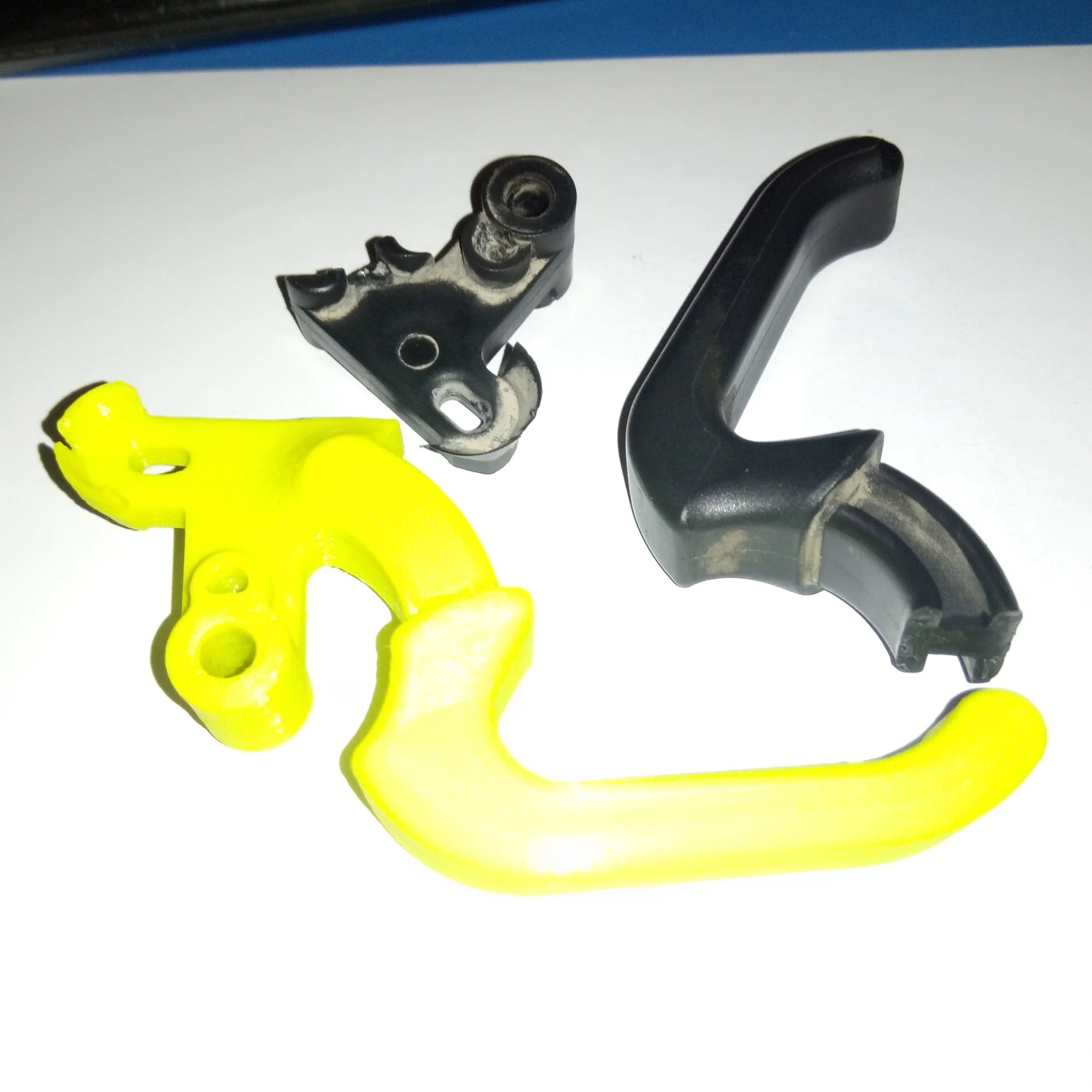
Existing components measured, modelled, and delivered as manufacturing-ready files — for obsolete part reproduction, failure-driven redesign, and competitive analysis of existing solutions.

What We Deliver
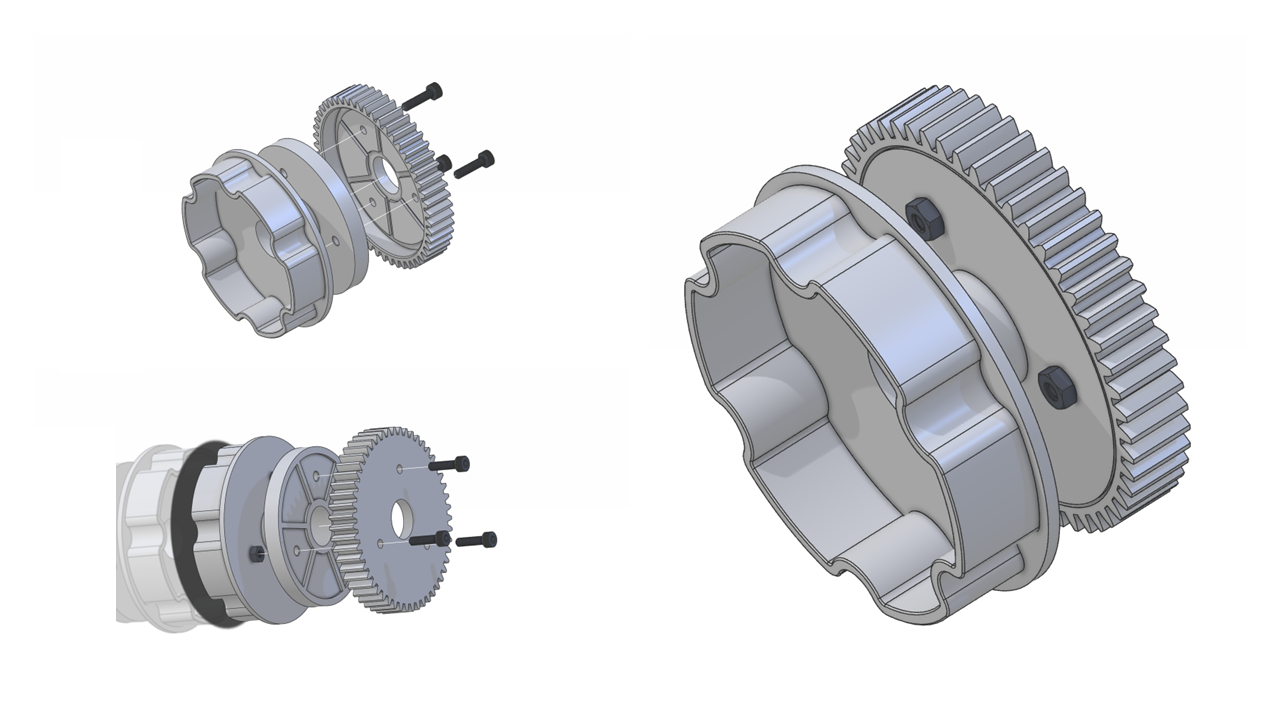
Dimensioned drawings and 3D models in native CAD formats (Alibre, Inventor, Fusion 360), neutral 3D formats (STEP, IGES), and 2D drawing formats (DWG, DXF, SVG). For reproduction projects, material identification is handled through field hardness testing to confirm the correct alloy specification before modelling begins.
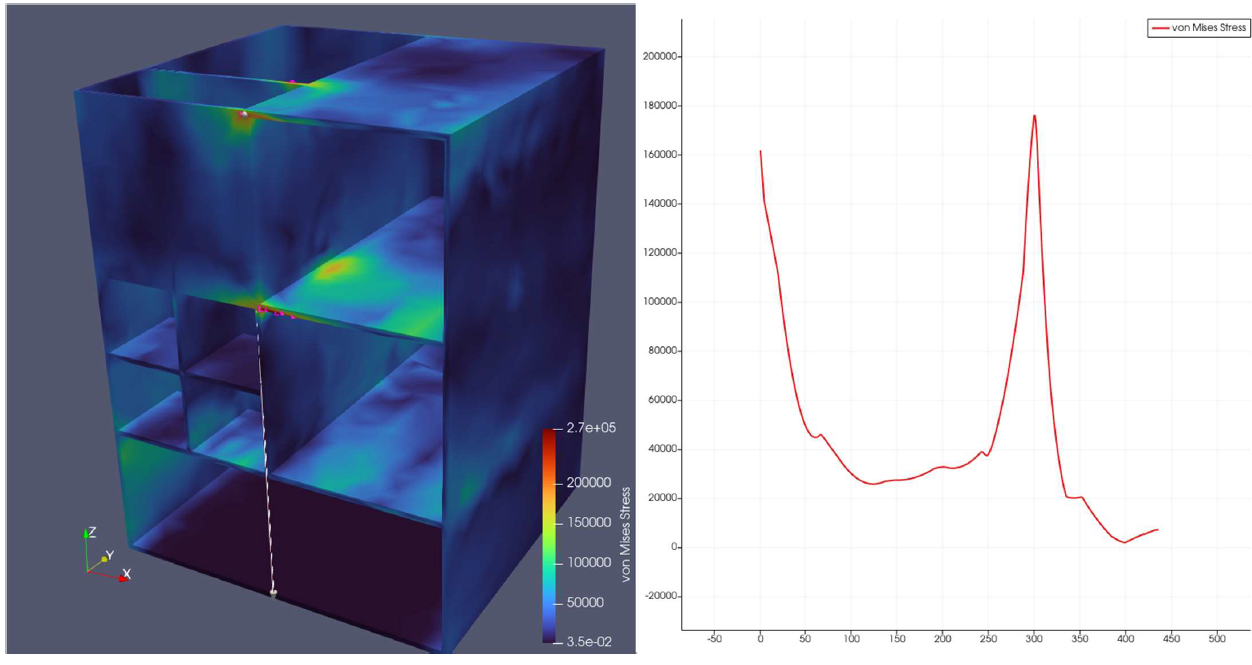
Where redesign is required, FEA studies inform the new geometry — structural limits, stress concentrations, and failure modes are identified and addressed in the replacement design rather than reproduced. Physical part production is available through our machining network for metal and plastic components when it makes financial sense for the client.
How We Work
The specification defines the reverse engineering method. Depending on the part and required accuracy, this ranges from direct measurement and photography through to full 3D scanning with point cloud processing. Every project starts with a clear understanding of the end goal — reproduction, redesign, or competitive analysis — before measurement begins.
Applications
Obsolete or discontinued components, failed parts where the failure mode needs to be understood and corrected, legacy industrial equipment requiring replacement parts, and competitive benchmarking to understand design decisions in market-leading products.
Scope
Reverse engineering covers mechanical components across all complexity levels. Clients outside the EU are encouraged to engage local manufacturers directly — we supply the manufacturing-ready files, they manage production and import.